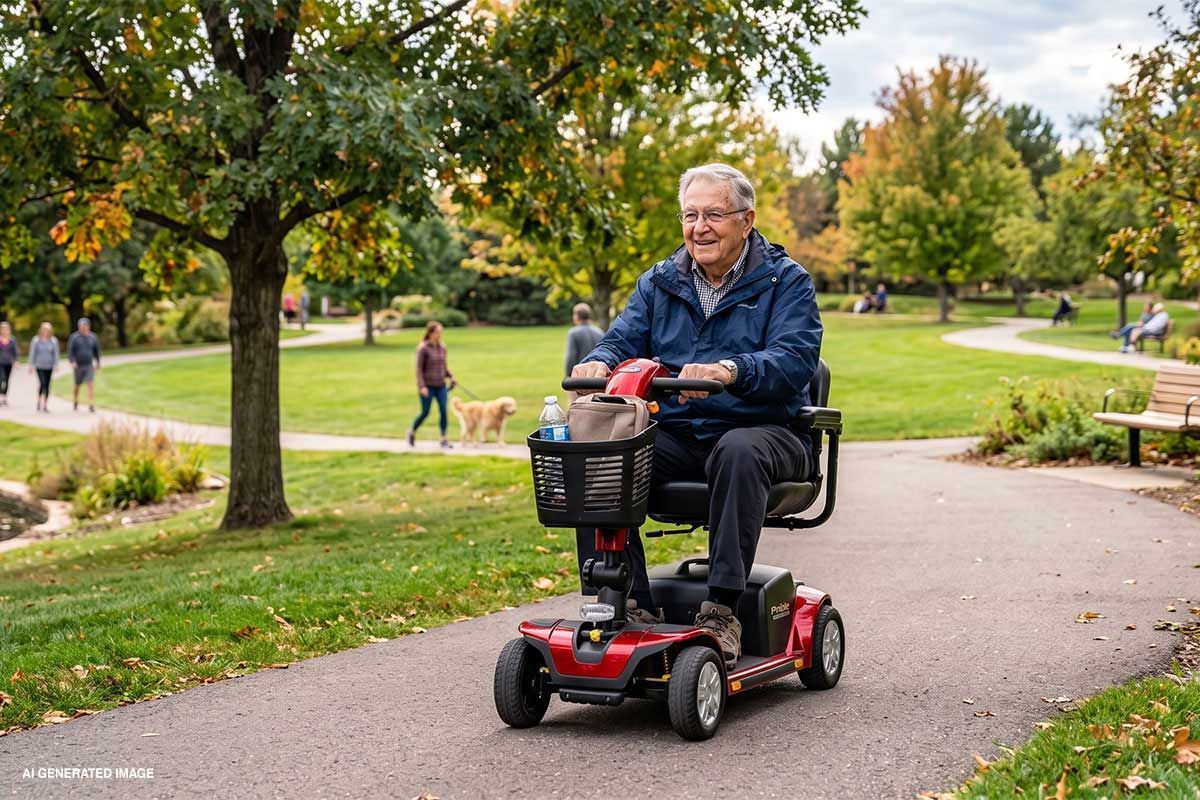
Dogs do not solve every difficult feeling, but they can change the rhythm of daily life in helpful ways. A dog needs breakfast, a walk, play, and attention, whether your human day feels easy or overwhelming. That steady presence can encourage movement, create routine, and make a home feel less empty.
Research on pets and mental health is encouraging, although it is not as simple as saying every dog automatically makes every person happier. Pet ownership can also bring stress, expense, and responsibility, along with affection. The benefits often depend on the relationship, the specific animal, the owner's circumstances, and whether the dog's needs are a realistic fit for the household.
Companionship Without a Complicated Conversation
A dog can offer company during quiet mornings, long workdays, retirement, recovery, or major life changes. Petting, playing, or simply sitting with a familiar furry friend may feel calming. For someone who lives alone, the sounds and routines of another living creature can make the home feel more connected.
Dogs can also provide a nonjudgmental presence. They do not need an explanation for a bad day, and caring for them can redirect attention toward an immediate, manageable task. That does not replace support from family, friends, or a mental health professional, but it can be one useful layer of everyday well-being.
Movement That Has a Purpose
Regular walks with the dog create a reason to get outside, notice the weather, and step away from a screen. Physical activity can support mood, sleep, and general health, and a dog's enthusiasm (or demand) can make the habit easier to maintain. Even short outings add structure and a sense of accomplishment.
The amount and type of activity should match both the person and the dog. Older adults, people with balance concerns, and anyone managing an injury may need a calmer, well-trained dog, a shorter route, or help from another person. A powerful dog that pulls on the leash can create risk instead of relief, so it's important to make a careful match.
Dogs Can Open the Door to Other People
Dogs are natural conversation starters. Walking along a familiar route can give you the chance to greet neighbors, have conversations at the park, or make new connections with other pet owners. Those small interactions may be especially valuable for someone who works from home, recently moved, or has a limited social circle.
Connection can happen inside the household too. Walking, training, and caring for a dog give family members shared responsibilities and stories. A pet can create moments of play and warmth that break up stressful routines.
Routine Can Be Grounding
Feeding and exercise schedules create predictable anchors throughout the day. That routine may help someone get out of bed, leave the house, or maintain a more consistent bedtime. Training can also build patience and provide small, visible signs of progress. Teaching a dog to wait at the door may seem minor, but repeated successes can be satisfying.
Notice Which Benefits Are Actually Helping
The phrase "mental health" covers more than just your mood. It includes stress, loneliness, motivation, sleep, attention, and the ability to manage daily responsibilities. A dog may support one area while making another more demanding. For example, walks may improve routine, while separation anxiety or veterinary concerns could add stress. Pay attention to the pattern in your own life. If pet care repeatedly causes exhaustion, conflict, financial strain, or safety concerns, you might ask a trainer, veterinarian, friend, or family member for help. Responsible support is good for both ends of the leash.
The Right Choice Is Personal
A dog is a long-term commitment, not a wellness product. Before adopting, consider housing rules, allergies, travel, time, mobility, grooming, food, training, and veterinary costs. Also consider breeds (or mixes) that are known for a calm temperament, ease of training, and manageable energy levels. If ownership is not practical, try dog walking for a friend, volunteering with a shelter, fostering, dog sitting, or spending time with a therapy animal—these may bring some benefits without the same commitment.
Support Should Have More Than One Source
A dog can be a wonderful companion and can alleviate stress, but persistent anxiety, depression, isolation, or changes in daily functioning need attention from a qualified mental health professional. If you are reviewing health coverage, ask how the plan handles behavioral health visits, telehealth sessions, psychiatric prescriptions, and provider networks. If you already share life with a dog, pet insurance may also help you cover eligible veterinary expenses, subject to the policy's terms.
Our office can help you understand available insurance options. We can also help you compare costs, waiting periods, exclusions, and provider access before you choose coverage.